Why connect with your local schools?
Many congregations find it difficult to connect with children and young people who aren’t already part of the church. But every child and young person goes to school and most churches are near one.
Getting involved in your local school is a powerful way to build relationships and support children, teachers, assistants and others in the school community. Your congregation can make a lasting impact on school life and schools may also bring fresh life and connection to your congregation.
Whether your church is in a city, town or rural area, partnering with your local school can be an amazing experience to help you live out your mission and show God’s love in practical ways.
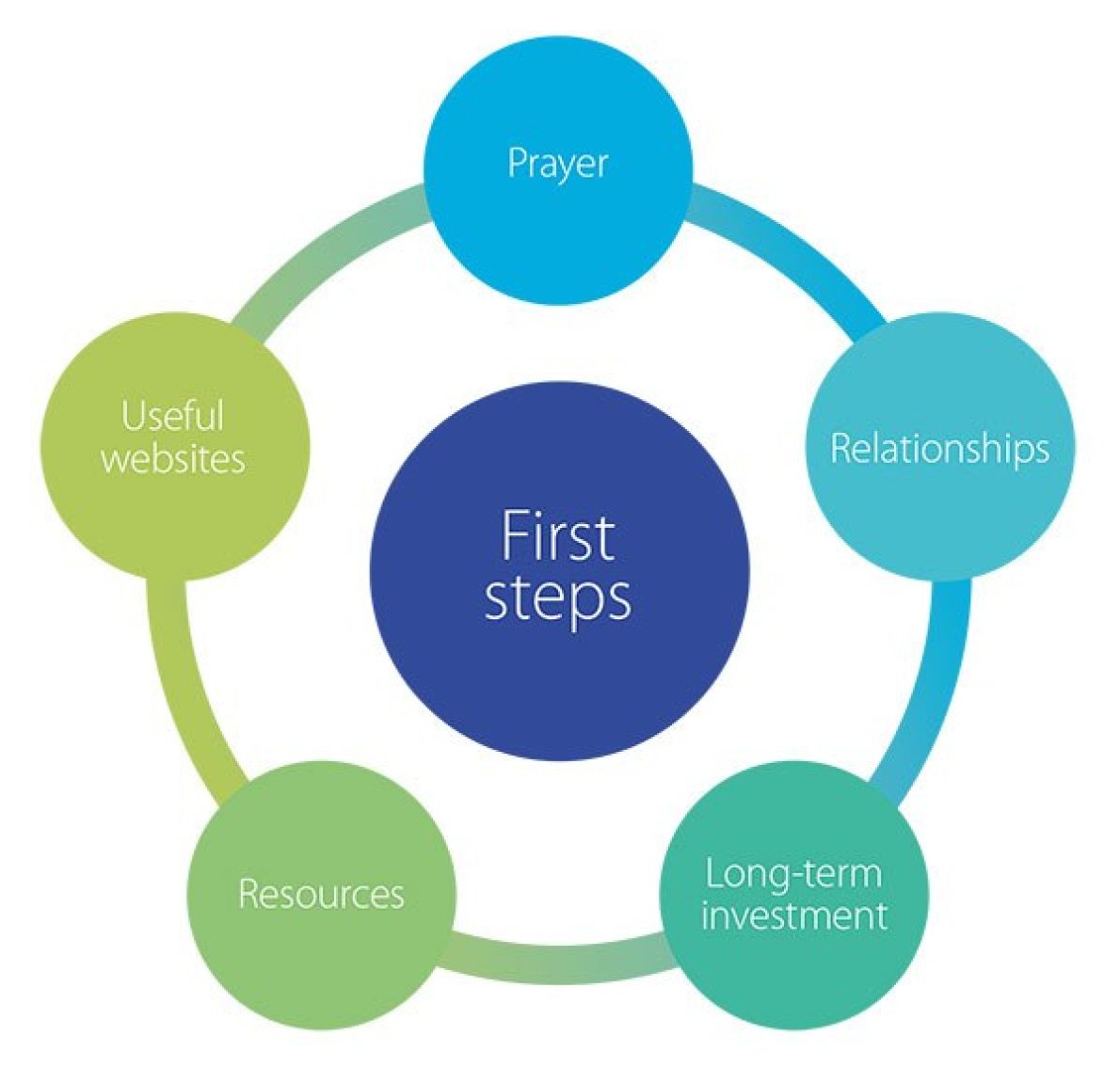
If your congregation hasn’t yet connected with a local school, go to the [First steps] section to begin your journey. Then explore the remaining sections to build on that connection.
Understanding the school context
When visiting schools, it’s important to remember:
- Schools are professional learning environments, very different from church settings.
- Pupils are not there by choice (except for optional groups like SU) and families have the right to withdraw their child from RE or collective worship.
- The Education Reform Act (UK) requires schools to offer ‘a daily act of collective worship which is wholly or mainly of a broadly Christian character.’ There’s flexibility in how this looks and it varies from school to school.
- Religious Studies is part of the curriculum, though not always formally inspected. Schools can adapt the curriculum to suit their ethos and pupils’ needs.
As a church visitor, you can:
- Help meet the RE and worship requirements and needs of the school.
- Share what Christians believe and how your faith shapes your life.
- Signpost pupils to where they can learn more, without pressure.
On a side note – language matters. Instead of saying 'You must...', use phrases like: ‘Christians believe…’, ‘I believe…’, or ‘The Bible teaches…’.
This honours pupils who may have no church background or come from different faith traditions.