Community engagement • Cultural apologetics • Missional pathways
For many churches, neighbouring community events raise an important question: how should churches engage with the culture and interests of the communities they serve?
Some churches might choose simply to observe. Others might decide such events are unrelated to church life. Still others may see opportunities to participate, connect and contribute.
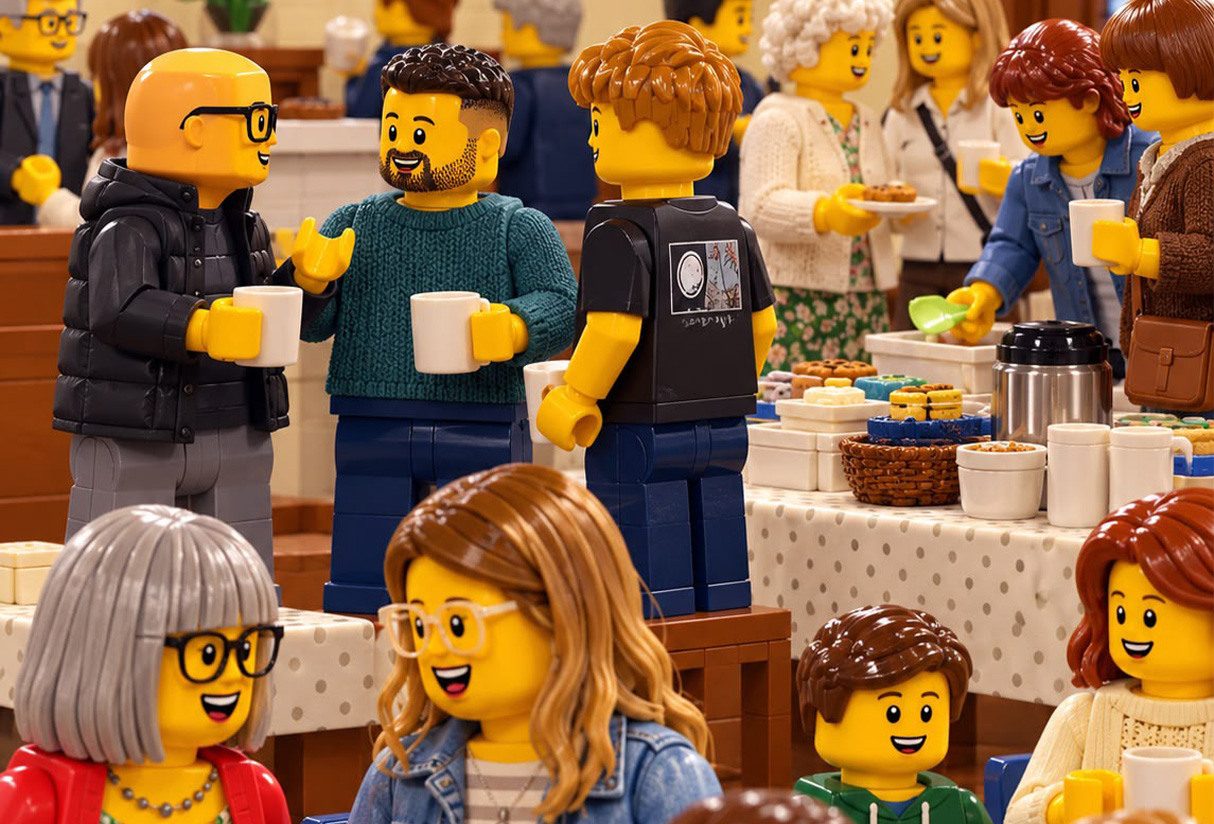
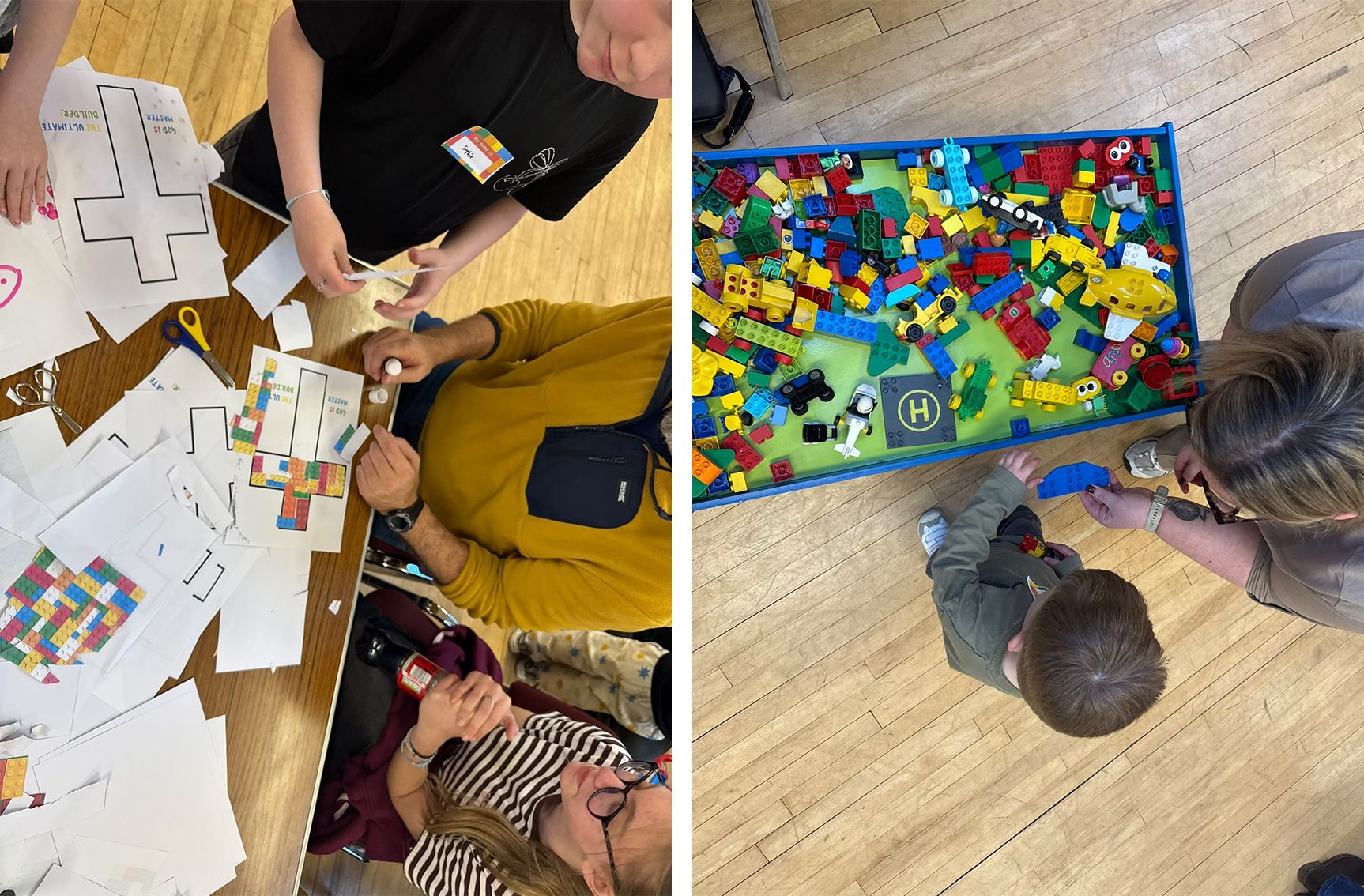
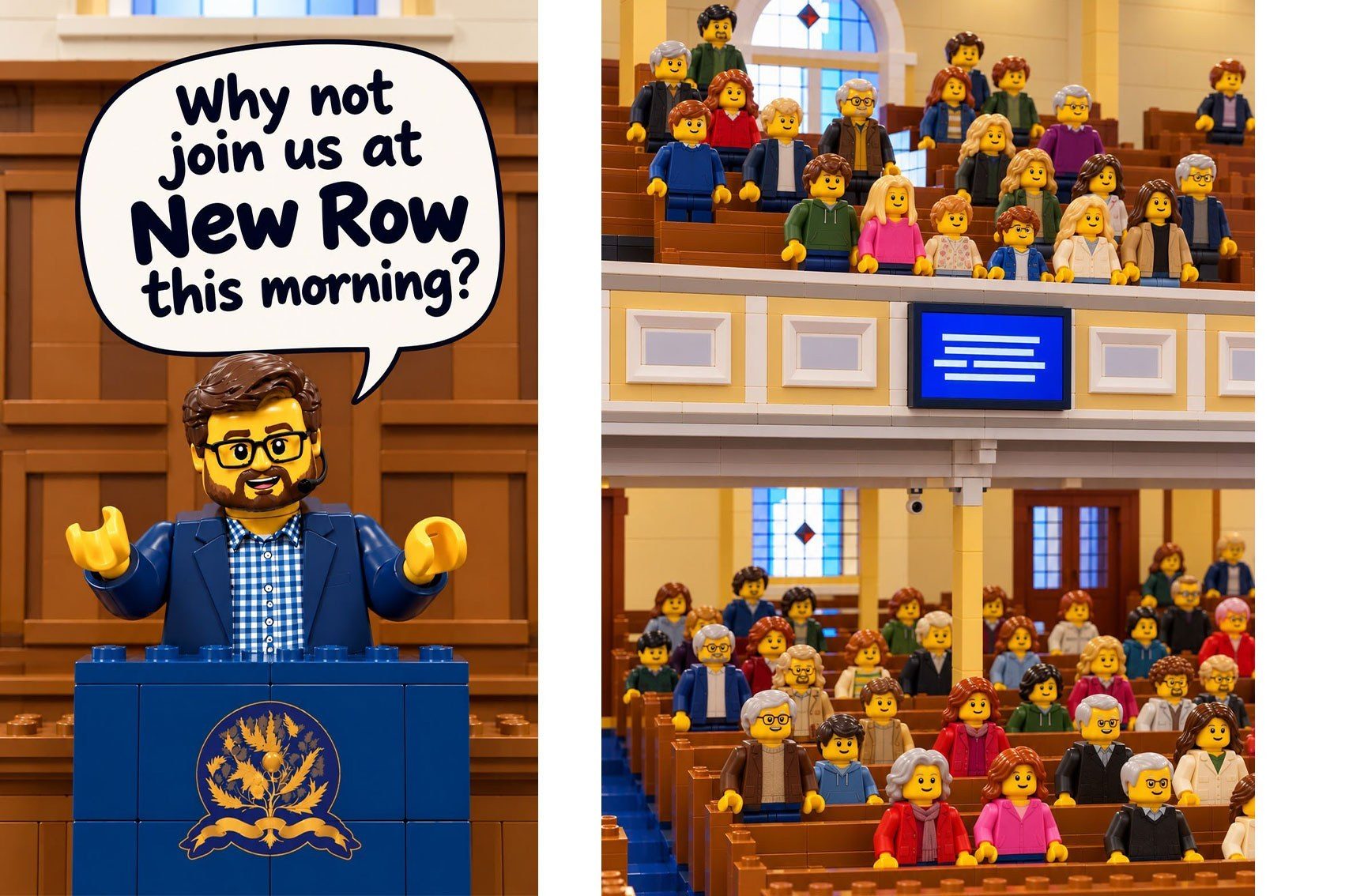
When Coleraine was hosting a LEGO-themed brick festival, New Row Presbyterian Church chose to join in. While there was a brick fairytale trail across the town and a brick exhibition in the leisure centre, the church advertised a Big Build Weekend. They created accessible events that connected naturally with what was already capturing people's attention. They deliberately scheduled the Saturday "Master Builder" event after the exhibition had finished, ensuring it complemented rather than competed with the wider festival. The event included LEGO activities, games, crafts, pizza and a Bible story, while the Sunday worship service was LEGO themed and showed how God is the master builder.
Yet there is more to this story than good event planning.
On one level, this is simply the story of a church running a family event. On another level, it reflects a deliberate approach to mission that seeks to connect everyday interests with God's larger story.
The church recognised that there was an opportunity to take something people already enjoy and use it as a bridge into God's bigger story. The gospel is always relevant, but the church used a common starting point as a platform to help people hear gospel truths in a fresh way. The majority of those attending the Saturday event had no current connection to church life, demonstrating how a familiar cultural interest can provide an accessible first point of contact.
LEGO became more than a toy; it was a teaching and bridging tool. LEGO was part of the surrounding culture that could be enjoyed, received and redeemed¹. Building became a way of talking about creation. Broken models provided an opportunity to talk about the brokenness sin has introduced into the world, while repairing and rebuilding provided a natural way to explain God's restorative work through Jesus.
The church used the events to create a short pathway to Sunday worship. One-off community events can be valuable relational spaces for churches, but they can remain disconnected from the central worshipping life of the congregation. Relationships can be built, but next steps can be harder to foster. The Big Build Weekend created space for a natural invitation for those attending Saturday's Master Builder event to return the following morning for a LEGO-themed church service. Some families accepted that invitation and attended on Sunday, demonstrating how a community event can create a pathway into worship rather than remaining a standalone activity.
Those invited to church may never have attended before, others may already have had connections through church programmes, while some may have once been part of church life but drifted away. Interestingly, the weekend saw a number of families return who had previously disengaged from church and had been difficult to reconnect with through more traditional invitations. For many, the fresh invitation and a new reason to come through the door reduced barriers and alleviated concerns about what questions they might be asked because their reason for attending could be simple - "LEGO". Special events can do that. They create additional entry points for those who would not ordinarily attend church. In some ways they widen the funnel² as a themed family service does not replace regular weekly worship, but it provides a different entry point and an accessible route towards it.
Investments like the Big Build Weekend also encourage and empower the church family. They instill confidence that if friends and family come, they will have a positive experience. As the church demonstrates cultural awareness, creativity and intentionality, the congregation sees effective ways to share the good news of God's story. In a close-knit community, some of those attending already knew church members through school, family, work or friendship networks. The event gave church families a natural opportunity to say, "This is my church," and extend an invitation that felt both comfortable and relevant. For some, the event can give them the confidence to invite others next time because every successful community-facing event contributes to a culture of invitation and hospitality.
Even a watchful community can see when a church is paying attention. Rather than remaining detached from community life, the church is seen participating in it and contributing to it. The church and Christian faith are not isolated from everyday life.
The principles in this story are not unique, but they begin with paying attention to what is already happening, finding points of connection, joining in where appropriate, offering hospitality, telling God's story in accessible ways, and creating pathways from community engagement into deeper relationships and worship.
The challenge for every church is the same: how can we participate in the life of our community in ways that help people take one step closer to Jesus? We know that God is already at work in the communities where he has placed us, and this story shows how one church participated in the interests and activities of society, discerned what was good, and used those moments to share God's story. The result was not simply a well-run event but new conversations, fresh invitations, returning families, and opportunities for people to encounter the life of the church and be pointed towards God's greater story.
FOOTNOTES
Reject, receive and redeem - A framework for cultural engagement can be used by churches can assess cultural activity on individual merits and may use the categories of reject, redeem, receive and reap.
Funnels - A concept in communications and engagement that describes creating a space where new and wider entry pints are created and used with an intention to gather users and guide them to a more focused destination.
Stay in the loop with all that's happening at PCI through our e-newsletters